9 Secret Beaches in Zambales Most Travelers Never Find 2026

The San Antonio coastline doesn’t look like the rest of the Philippines.
Volcanic eruptions reshaped it in 1991, and what grew back is a stretch of coves, gray sand beaches, and pine-like trees that feels genuinely unlike anything else in the archipelago. Most of it you can only reach by boat. Most travelers never bother.
These aren’t beaches you stumble onto. You have to want them. Here’s where to look.
Note: Fees and boat rates listed throughout this guide are approximate and subject to change. Always confirm current rates locally before heading out.
Secret Beaches of Zambales
1. Anawangin Cove
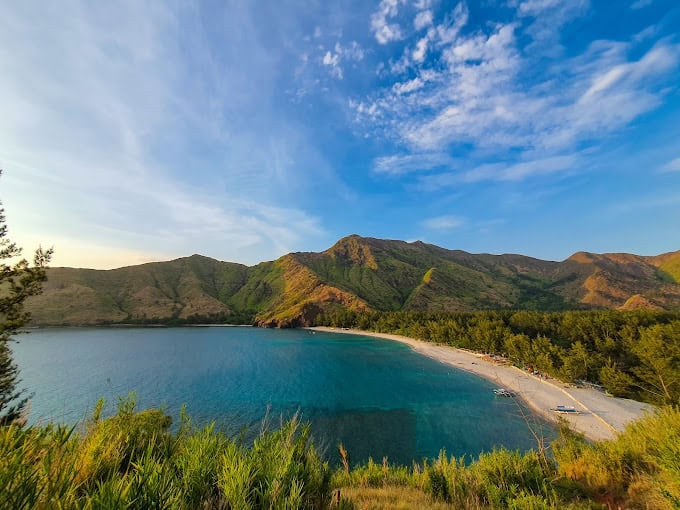
Anawangin is where most people start, and it earns the attention. The beach was created by Mt. Pinatubo’s 1991 eruption. Volcanic ash settled into a crescent cove, and over time, agoho trees took root along the shore. The result is something genuinely strange: a tropical beach lined with trees that look like pines, with gray volcanic sand underfoot and mountains in the distance.
There are no hotels here. You camp, or you day-trip by boat from Pundaquit. Most people camp. Tent rentals are available on site for around ₱300 to ₱500 per night if you don’t want to bring your own.
Barangay entrance fees run roughly ₱100 to ₱150 per person. It’s worth it for the nights alone, when the only light comes from bonfires and whatever the sky is doing.
Getting here: Boat from Pundaquit beach in San Antonio. Bangka rates from Pundaquit typically run ₱1,500 to ₱2,500 depending on group size and number of stops.
2. Nagsasa Cove
Nagsasa sits farther along the coast past Anawangin, and it tends to be quieter. Bigger shoreline, fewer boats, more room to spread out. The same volcanic gray sand, the same agoho trees, but with a longer stretch of beach and a river at one end fed by water coming down from the mountains.
Camping is the way to go here. Tent rentals are available on site, and the barangay entrance fee runs roughly ₱100 to ₱150 per person. Light pollution is minimal. If you’re doing multiple nights across the coves, save one for Nagsasa specifically for the sky.
Getting here: Boat from Pundaquit, slightly longer than the Anawangin ride. Around 45 minutes to an hour.
3. Talisayin Cove
Talisayin doesn’t appear in many itineraries, which is exactly why it’s on this list. It’s a short boat ride from Pundaquit, calmer and smaller than Anawangin, with just enough shade and not much else. No infrastructure to speak of. A handful of huts. Quiet.
It works well as a day trip stop or a half-day break if you’re already out on the water doing a cove-hopping tour. Don’t expect a crowd.
Getting here: Boat from Pundaquit, roughly 20 to 30 minutes. Often included as a stop on island-hopping tours covering the San Antonio coves.
4. Magalawa Island
Palauig is far enough north that most Zambales trips don’t reach it, which is the whole point. The island sitting just offshore barely shows up in travel content, and the visitors who do make it here tend to come back.
Magalawa has two camps with different personalities. Armada has the better beach and a low-tide sandbar worth timing your arrival around. Ruiz is quieter, better suited for kayaking and snorkeling.
Both arrange boat transfers and meals as part of their packages. Power runs at night only, so bring a power bank.
The effort to get here filters out most casual visitors. That’s what keeps it the way it is.
Getting here: Boat from Barangay Luan in Palauig, roughly 10 to 15 minutes. Arrange transfers through your camp in advance.
5. Silanguin Cove
Silanguin is the most remote of the San Antonio coves, and it shows. The shoreline is wide, the water is calm, and there’s a reef offshore worth snorkeling if you bring a mask. Getting there takes longer than the others, which keeps the numbers down.
Sunsets here are worth planning around. The cove faces west, and the light at the end of the day hits the water in a way that’s hard to describe without sounding like a tourism brochure. Just go.
Note that Silanguin may require a separate permit or coordination beyond the standard Pundaquit boat hire. Confirm the requirements with your boatman before heading out.
Pack everything you need. No signal, no stores, nothing.
Getting here: Boat from Pundaquit. The longest ride in the San Antonio cluster, roughly an hour or more.
6. Capones Island
Capones is different from the coves. There’s a Spanish lighthouse here from the 1800s, sitting on a hill above the cliffs, still standing. The climb is short but steep. The view from the top is cliffs dropping to the West Philippine Sea, open water in every direction, and it’s one of the better views in Zambales.
This isn’t a beach you come to for swimming. You come for the history, the views, and the photos. Capones and Camara Island are almost always visited together on the same boat trip from Pundaquit, making them a natural pairing for a full island-hopping day.
Getting here: Boat from Pundaquit, usually included in island-hopping packages alongside Camara Island.
7. Camara Island
Camara is two small islets connected by a sandbar that disappears at high tide. At low tide, you can walk between them. The water on both sides is clear and shallow, good for wading and snorkeling, and the rocky edges photograph well from above if you have a drone.
Most island-hopping tours from Pundaquit pair Camara with Capones Island as part of the same day out. If you time the tides right and get to Camara early, you can have it to yourself for at least part of the morning before the other boats arrive.
Getting here: Boat from Pundaquit, typically paired with Capones Island on island-hopping tours.
8. Liwliwa Beach
Liwliwa got discovered years ago and has been growing steadily since. There are beach bars here now, surf camps, small resorts tucked behind the agoho trees. It’s not hidden anymore, and that’s fine, because it earned its following.
The waves are consistent and forgiving, which makes it one of the better beginner surf spots in Luzon without the scene pressure of Baler or La Union. Lessons run around ₱600 per hour including an instructor, and board rental alone is around ₱300 per hour. The crowd is laid-back. Sunsets draw people to the sand. It has an easy rhythm that’s hard to leave once you settle in.
Worth a night or two, especially if you’re combining it with the San Antonio coves.
Getting here: Bus from Manila via Victory Liner or Five Star toward Iba or San Antonio, or by car via NLEX, SCTEX, then Subic. Liwliwa is in San Felipe, about 3.5 to 4 hours from Manila.
9. Potipot Island
After eight beaches of gray volcanic sand and pine-like trees, Potipot is the one that finally looks like what most people picture when they think Philippines. White sand, palm trees, water clear enough to see the bottom. The contrast after everything that came before it makes it hit differently than it would on its own.
The island is small enough to walk the perimeter in under 30 minutes. There’s nothing to do except swim, float, and eat whatever you brought with you. No vendors, no beach bars, no noise. Boat transfers from the jump-off run around ₱400 per boat. For a last stop before heading back toward Manila, it’s hard to beat.
Getting here: From Candelaria, take a tricycle to the jump-off point in Barangay Uacon and a short bangka ride to the island.
How to Get to Zambales
Zambales is about 3.5 to 5 hours from Manila, depending on your destination and traffic.
By bus: Victory Liner and Five Star both serve Zambales. For the San Antonio coves, take a bus to San Antonio or Olongapo and transfer. For Liwliwa, head toward San Felipe. For Potipot, you want Candelaria. Fares range from ₱300 to ₱500.
By car: NLEX north, then SCTEX, then exit at Subic and follow the coast road north. Leaving Manila before 6am makes a real difference.
Most of the San Antonio coves are only accessible by boat from Pundaquit. Boats can be arranged on arrival, but weekends fill up fast. If you’re going on a Saturday or Sunday, arrive early or arrange something in advance through your accommodation.
For where to stay and what else to do while you’re there, check out the other Zambales guides on the blog.
A Few Things Worth Knowing
Best time to go: November through May. The dry season means calm seas, which is important for boat access to the coves. June through October brings typhoon risk and rough water, and some spots become inaccessible.
No-electricity coves: Anawangin, Nagsasa, Silanguin, and Magalawa have no power grid. Bring a power bank. Bring a headlamp if you’re camping. Bring more water than you think you need.
Bring cash: Withdraw before you leave Angeles or Olongapo. Once you’re past Subic, ATMs get scarce fast.
Leave it clean: These beaches stay nice because visitors tend to care. Pack out everything you bring in.
Hire local: The boatmen at Pundaquit have been running these routes for years. They know which coves are calm, where the reef is good, and how the weather’s reading that morning. It’s worth listening to them.
Wrap it Up
These beaches are worth finding now, before more people do. The coves in particular reward repeat visits, and the further north you go, the less company you’ll have. Most of them won’t stay this quiet forever.
Zambales is still under the radar, but that’s changing, and the beaches that feel remote today won’t always.