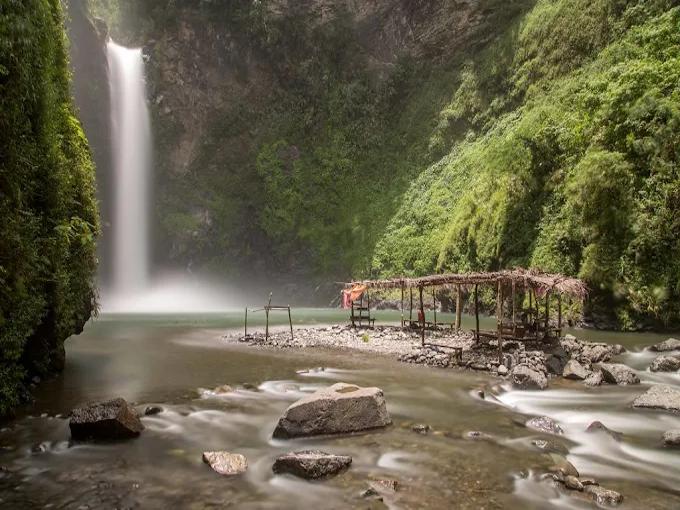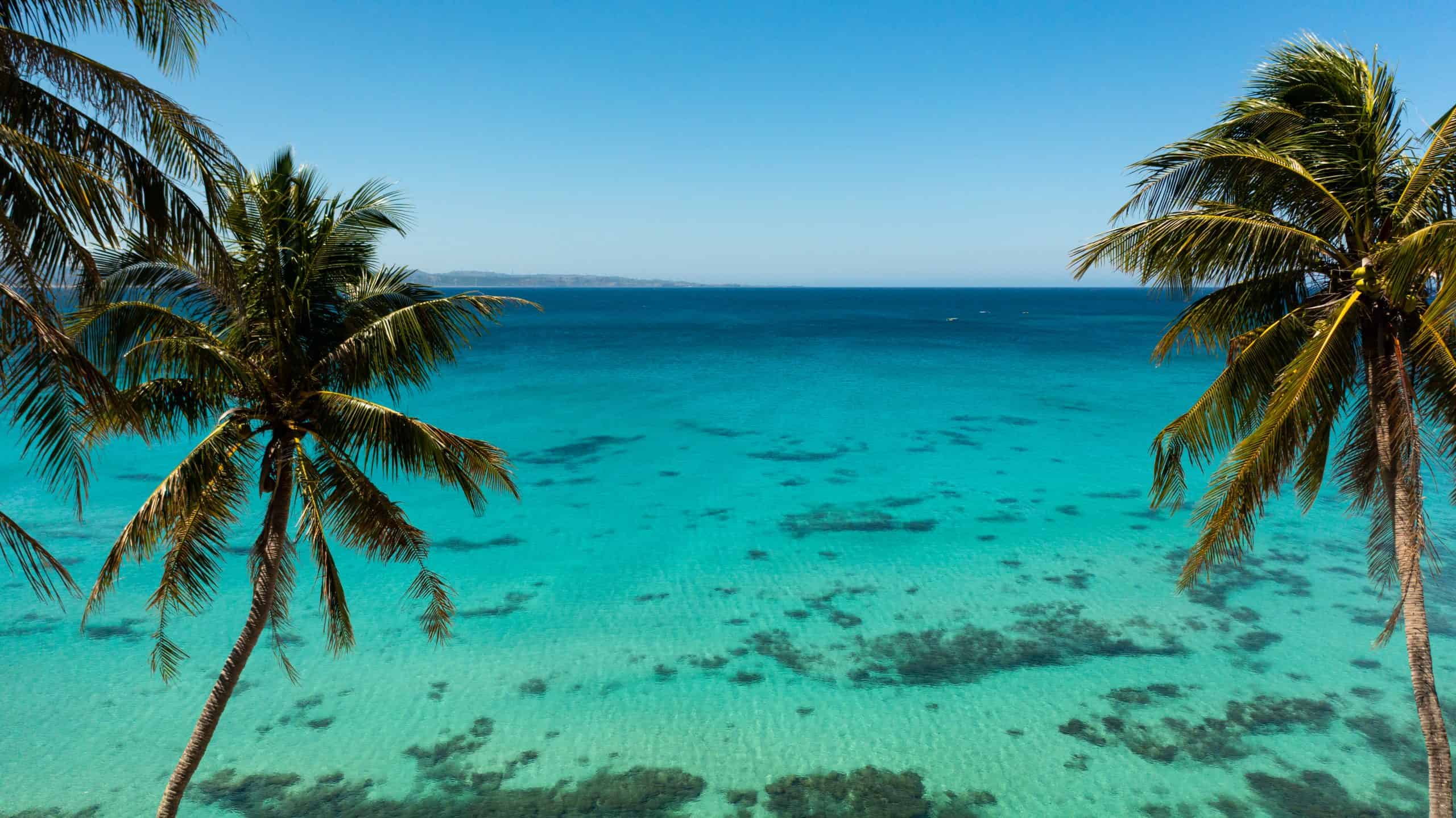
The Ultimate Guide to Hidden Gems in Luzon, Philippines

There are two versions of Luzon: the one on the tourist maps, and the real one.
Most visitors stick to the first version. They hit Manila, make it up to Baguio, and maybe squeeze in La Union or Batangas. Those places are worth visiting. But Luzon is enormous, and the tourist trail barely scratches the surface.
I’ve lived in Pampanga for eight years, and locals are still pointing me toward places I’ve never heard of. That’s not an exaggeration. It’s just how big the hidden side of this island really is. This list is my attempt to document some of it: 25 places across Luzon that most travelers drive past, fly over, or never think to look for.
I haven’t personally visited all 25. A few are still on my own list. But every entry here was thoroughly researched and worth your time. If you’ve been to any of them, I’d love to hear about it in the comments.
You won’t find Baguio, La Union, or Manila here. This is the other Luzon.
Northern Luzon
1. Buscalan, Kalinga
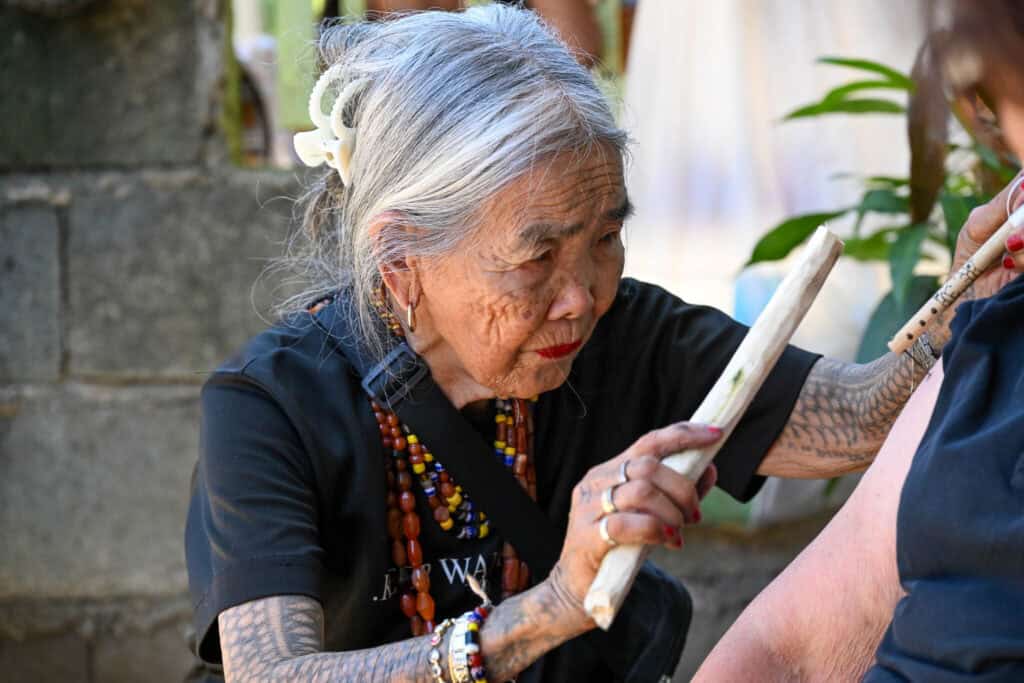
This remote mountain village is home to Apo Whang-Od, the last traditional mambabatok (Kalinga tattoo artist) of her generation. You ride a habal-habal to the jump-off point, then hike the final 30 to 45 minutes up to the village through terraced hillsides. The tattoo tradition here goes back centuries, applied one thorn-tap at a time. Of all the places on this list, Buscalan is the one that comes up most in conversations with travelers I’ve met. It seems to leave a mark on people in more ways than one.
What to do: Get a traditional Kalinga tattoo, explore the village, and talk to the elders if you get the chance.
Where to stay: Basic homestays are available in Buscalan itself. For more comfort, base yourself in Tinglayan, the nearest town.
2. Pagudpud Beach, Ilocos Norte
About 558 kilometers from Manila and sitting at the northernmost tip of Luzon, Pagudpud’s Blue Lagoon (locally called Maira-ira Beach) is the one beach that Ilocos Norte locals compare to Boracay, and not without reason. What most travel writeups miss: from November to June, the West Philippine Sea swells enough to surf here. Outside surf season, the lagoon goes glassy and calm. Same beach, completely different vibe depending on when you show up.
What to do: Surf November through June, swim the rest of the year. Add the Bangui Wind Farm (towering turbines right on the coast), Patapat Viaduct, and Kabigan Falls to make a full Pagudpud day.
Where to stay: Several small resorts along the coast, from budget to mid-range. Laoag is about 90 minutes away if you want a city base.
3. Kabayan, Benguet
Kabayan is famous for its Fire Mummies, ancient mummified remains found in caves high in the Benguet mountains. The preservation process was elaborate: a saltwater purge, smoking the body while seated, skin peeling, sun-drying, and application of plant extracts. The mummies date from around 1200 to 1500 AD and are unlike anything else in the Philippines. I’ve heard people describe seeing them as one of the strangest and most affecting experiences they’ve had in the Cordillera, which is a high bar.
What to do: Visit the mummy caves at Timbac or Opdas, hike the surrounding trails, and enjoy the cool mountain air.
Where to stay: Kabayan has basic lodging options. Baguio (about 3 hours away) offers more options if you prefer a comfortable, modern base.
4. Adams, Ilocos Norte
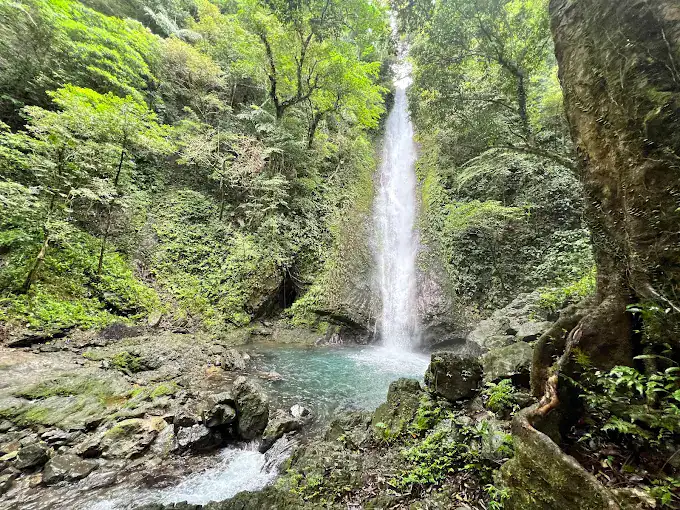
Adams has 18 documented waterfalls and a population under 2,200 people, which tells you most of what you need to know about the ratio of nature to tourists here. The town also claims zero crime, which the locals mention with real pride. Of the 18 falls, only two are easily accessible: Anuplig Falls (a 45-minute trek from the poblacion) and Anat Falls, just five minutes from the jump-off. The rest require a guide and more time. Factor that in when planning.
What to do: Waterfall trekking, crossing the longest hanging bridge in Ilocos Norte, watching the sunset from Lovers’ Peak, and trying the local bugnay (wild berry) wine from a tiny family winery near the town center.
Where to stay: Homestays in Adams. Ilyn’s Homeyplace is the most recommended by repeat visitors. Laoag has full hotel options if you want a city base.
5. Apayao River, Apayao
Apayao is one of those places that reminds you how big and empty the northern Philippines still is. The river cuts through dense jungle and past towering limestone formations, and the tourism infrastructure is essentially nonexistent. No booking platforms, no tour packages, no signage. You figure it out on the ground, which is either a selling point or a dealbreaker depending on your travel style.
What to do: River trekking, kayaking, and wildlife spotting. Arrange logistics through the local government unit in Kabugao.
Where to stay: Kabugao is the provincial capital and your best base. Ask around there for guides and logistics.
Central Luzon
6. San Miguel, Bulacan
San Miguel is only about 60 kilometers north of Manila, but it operates at a completely different frequency. The heritage district has old Spanish-era homes and a town church that has been standing since the 1600s. It’s the kind of place where you can spend a morning walking around without seeing another tourist, which in this part of Central Luzon is saying something.
What to do: Walk the heritage district, visit the San Miguel de Mayumo Parish Church, and check the local market.
Where to stay: Best done as a day trip from Manila. Malolos, the Bulacan provincial capital, has more lodging options if you want to stay overnight.
7. Tanay, Rizal
Tanay is Rizal’s tourism capital, and it earns that title. Mount Daraitan, a 739-meter moderate-to-challenging climb with limestone formations and the Tinipak River at the base, is the main draw for hikers. Daranak Falls, a 14-meter cascade with a natural swimming pool, is more accessible and more crowded on weekends. Go on a weekday if you can. The hillside cafes overlooking the Sierra Madre are worth the drive on their own.
What to do: Hike Mt. Daraitan (allow 2.5 to 4 hours to summit), swim at Daranak Falls and Tinipak River, and have lunch at one of the cliff-edge cafes on the way in or out.
Where to stay: Several resorts and guesthouses around Tanay proper. Easily done as a day trip from Manila. Leave by 5 am to beat the heat on the Daraitan climb.
8. Nagcarlan Underground Cemetery, Laguna
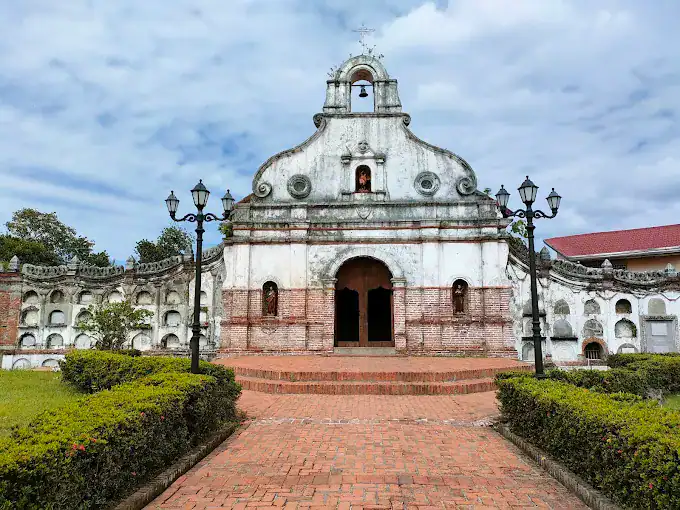
Built in 1845, this circular brick chapel has a vaulted crypt directly beneath it, where Spanish-era friars and prominent locals were buried. It’s a National Cultural Treasure, well-preserved, and strange in the best possible way. Most people blow past it on the way to more obvious Laguna attractions. That’s their loss.
What to do: Tour the chapel, descend into the crypt, and combine it with a stop at the Los Banos hot springs or Hidden Valley Resort for a full day in southern Laguna.
Where to stay: Los Banos and Santa Cruz both have accommodation options within easy driving distance.
9. Dupax del Sur, Nueva Vizcaya
One of the oldest settlements in Nueva Vizcaya, Dupax del Sur has a colonial stone church and a pace of life that has no interest in catching up with the rest of the country. It’s not on any tourist circuit. No tour groups, no entrance fees, no Instagram hashtags. If that sounds like a destination, it is.
What to do: Visit the Saint Dominic de Guzman Parish Church, walk the quiet town streets, and ask locals about the area’s history. They’re usually happy to talk.
Where to stay: Bayombong, the Nueva Vizcaya provincial capital, is your best bet for accommodation.
10. Mount Arayat, Pampanga
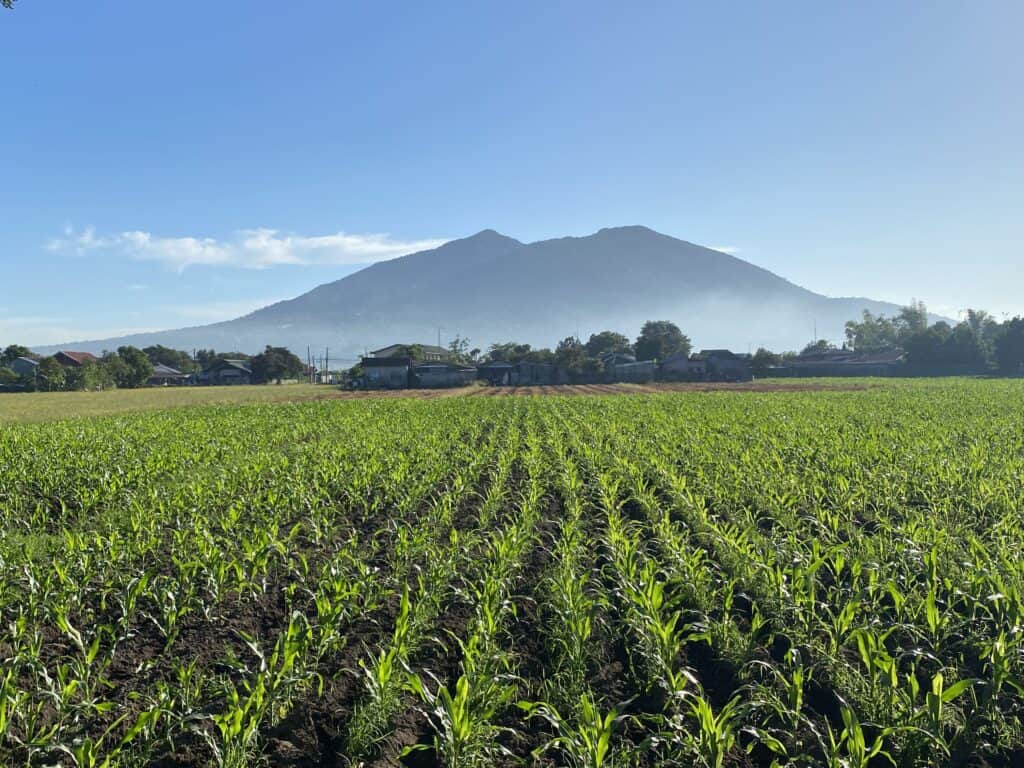
Drive north out of Angeles City, and Arayat is the first thing you see: a lone volcano rising straight out of the flat rice fields as if someone placed it there on purpose. Kapampangans have been telling stories about this mountain for centuries.
It’s the legendary home of the deity Apung Sinukuan, whose only real rival was the god of Mount Pinatubo, Apung Namalyari. The trails are accessible, the spring-fed natural pools at the base are worth the trip on their own, and the views across the Central Luzon plain on a clear day are hard to beat.
What to do: Hike the North or South Peak trail, swim in the spring-fed pools inside the national park, and ask a local about Sinukuan before you go. It’s a better briefing than any guidebook.
Where to stay: Angeles City is about 10 kilometers away and has every accommodation option you could want.
Southern Luzon & Bicol
11. Donsol, Sorsogon
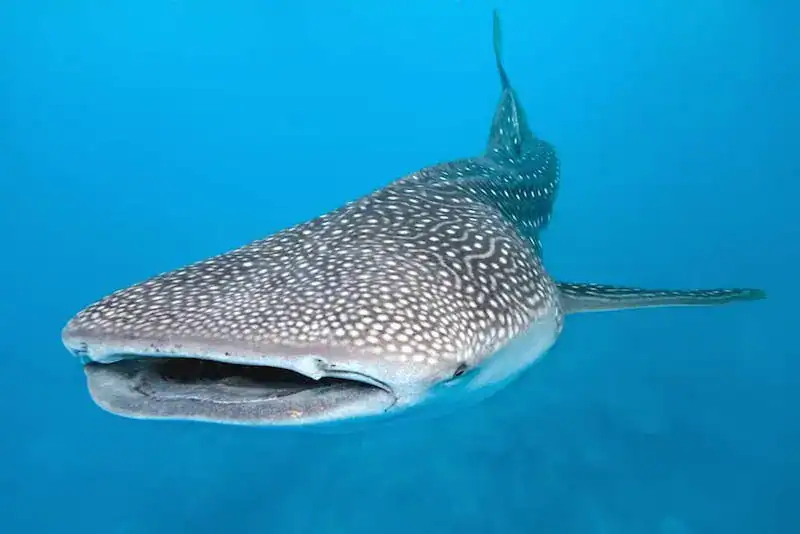
Donsol is widely recognized as a model site for ethical wildlife tourism in the Philippines. The community-run butanding interaction program (no touching, no flash, licensed guides only, strict boat limits) keeps the experience meaningful rather than chaotic. The season runs roughly from November to June, with February to April being the peak. If whale sharks are on your Luzon list, this is the right place to do it. Not Oslob, not anywhere else.
What to do: Butanding interaction tours in the morning, firefly watching on the Ogod River after dark, and Subic Beach (not the one in Zambales) for a quiet afternoon swim.
Where to stay: Several guesthouses and small resorts in Donsol. Sorsogon City is about 30 minutes away with more options.
12. Mount Malinao, Albay
Mayon gets all the attention in Albay, which means Malinao (sitting just to the north) gets almost none. It’s an active stratovolcano with dense forest trails and views of the Albay Gulf from the summit. The climb is quieter, the approach less managed, and the whole experience more like what mountain hiking in Bicol used to feel like before Mayon became a postcard.
What to do: Summit trek through the rainforest. A community guide from Tabaco City is strongly recommended.
Where to stay: Tabaco City is the nearest base. Legazpi City has a wider range of accommodation and is about an hour away.
13. Mercedes Islands, Camarines Norte
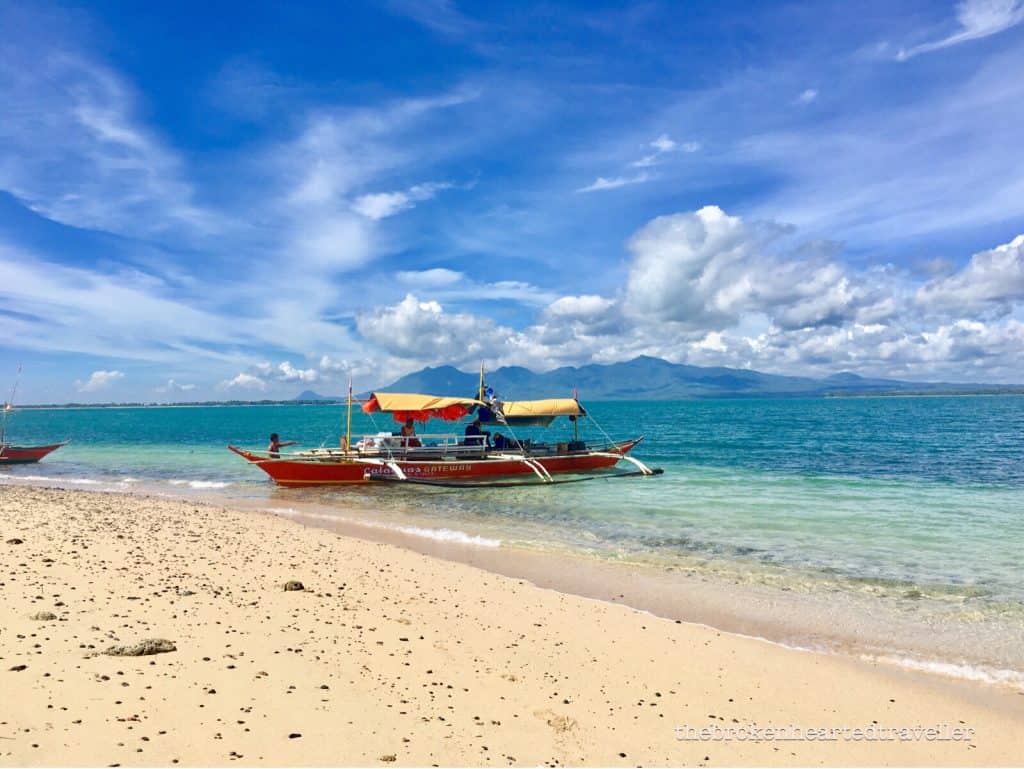
Seven small islands off the Camarines Norte coast, and almost nobody outside the province seems to know they exist. The island hopping here feels like what island hopping in more famous destinations used to feel like before the boat queues and entrance fee booths appeared. Clear water, fishing communities, no resorts.
What to do: Island hopping by local banca, snorkeling, and visiting the fishing village on Apuao Grande Island.
Where to stay: Daet, the Camarines Norte capital, is your jumping-off point and has the best accommodation in the area.
14. Garchitorena, Camarines Sur
A coastal municipality ringed by mangrove forests and quiet bays in southern Camarines Sur. There’s no tourism infrastructure here to speak of: no operators, no maps, no signage. What it does have is a stretch of coast that hasn’t been touched, and mangrove systems worth exploring slowly if you can find a banca and a local who knows the waterways.
What to do: Mangrove kayaking or banca exploration, birdwatching, and quiet coastal walking.
Where to stay: Naga City is the most practical base for this part of Camarines Sur.
15. Atulayan Island, Camarines Sur
A small fishing island with white sand and no tourist development worth mentioning. Getting here means arranging a boat through a local fisherman rather than a booking platform, which filters out most casual visitors and keeps the place the way it is. Day trips from Naga are the standard approach.
What to do: Swimming, beachcombing, and watching the fishing boats come in with the morning catch.
Where to stay: Day trips from Naga City are most practical. Basic overnight arrangements may be possible locally.
Island Escapes & Hidden Beaches
16. Cagbalete Island, Quezon
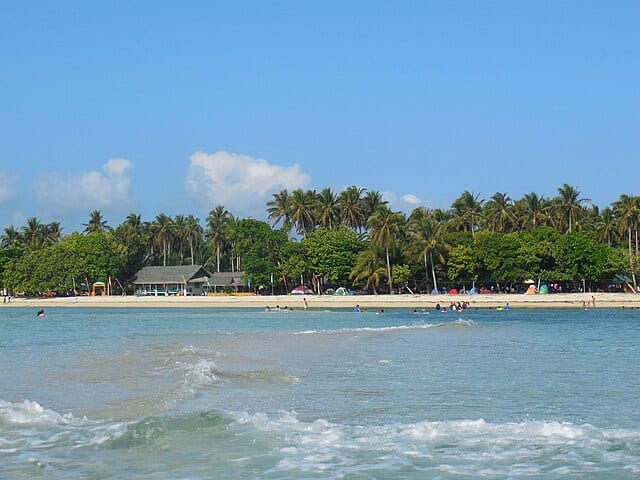
At low tide, the water on Cagbalete’s eastern side pulls back nearly a kilometer from shore, exposing a vast rippled sandbar you can walk out across with water only at your ankles. It’s one of the more unusual tidal phenomena in Luzon and the reason most people make the trip. The island itself has a few small family-run resorts, very limited electricity, and the kind of quiet that’s hard to find this close to Manila.
What to do: Walk the sandbar at low tide, birdwatch (herons and kingfishers are common), and do an island-hopping trip to the Yang-In sandbar on the western side.
Where to stay: Cottage-style guesthouses on the island. Dona Choleng and Pansacola are the most established. Boats to the island leave from Mauban port.
17. Calaguas Islands, Camarines Norte
No hotels, no electricity grid, no mobile signal, no party scene. Getting here from Manila means a full day of travel: bus to Daet or Paracale, then a 1.5 to 2-hour boat across open water. Plan for a minimum of two nights, or the journey simply doesn’t justify itself. What you get on the other end is Mahabang Buhangin, a white sand beach with water clear enough to see the bottom at depth, and a night sky with zero light pollution.
What to do: Camping on the beach, snorkeling, swimming, and stargazing. Buy supplies in Daet before you go. There’s nothing to buy on the island.
Where to stay: Tent camping on the beach only. Book through an accredited operator in Paracale or Daet. Solo travelers can often split boat costs with a group.
18. Maniwaya Island, Marinduque
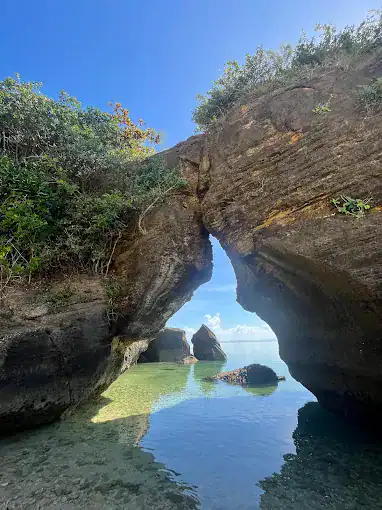
Marinduque is already one of the more overlooked provinces in Luzon, and Maniwaya takes that a step further. Calm water, a few small guesthouses, and the Tres Reyes Islands nearby for additional island hopping. The island draws a specific type of traveler: one who isn’t looking for much to do, and finds that restful rather than frustrating.
What to do: Swimming, island hopping to Tres Reyes, and exploring the coastline at low tide.
Where to stay: Basic guesthouses on the island. Boac, the Marinduque capital, has more accommodation options and is the main ferry port.
19. Tambobong Beach, Pangasinan
Hidden in the western corner of Pangasinan, Tambobong rarely appears on anyone’s Luzon beach list, which is precisely why it still feels the way a beach is supposed to feel. The drive there winds through coastal barangays that have nothing to do with tourism, and the beach at the end is white sand with almost nobody on it.
What to do: Swim, relax, and explore the coastline. Combine with a visit to Dasol town or pair it with a Hundred Islands day trip if you’re already in the area.
Where to stay: Dasol town is the nearest base. Lingayen or Alaminos have more options further out.
20. Dicasalarin Cove, Aurora
A tucked-away cove south of Baler with dramatic cliffs on both sides and water that is actually that clear, not just the way travel photos make it look. Getting here requires a boat or a rough overland track through the national park. That barrier is the whole reason it still feels private.
What to do: Swimming, cliff jumping if you’re that way inclined, and exploring the coastline by boat.
Where to stay: Baler is the Aurora hub and has a solid range of guesthouses and surf resorts. Most visitors do Dicasalarin as a day trip from there.
Mountain Escapes
21. Mount Ugo, Nueva Vizcaya
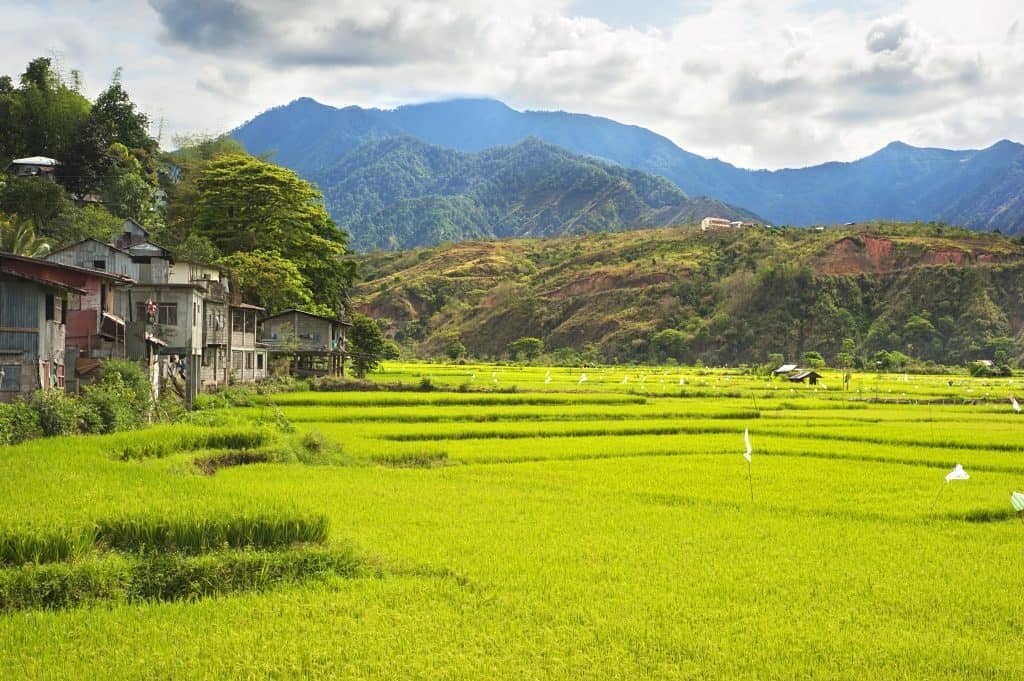
A multi-day traverse connecting Itogon in Benguet to Kayapa in Nueva Vizcaya through pine forests, mossy ridgelines, and indigenous Ibaloi and Kalanguya territory. It’s well-known among serious hikers in the Philippines and almost unknown outside that community.
The trail is long, the elevation changes are significant, and the experience is deeply rewarding. Exactly the kind of hike that never makes the mainstream travel lists.
What to do: Multi-day ridge trekking with Cordillera views. Arrange a licensed guide well in advance. Don’t wing this one.
Where to stay: Campsites along the trail. Bambang or Kayapa in Nueva Vizcaya work as entry and exit points.
22. Bakun Trio, Benguet
Three peaks (Mount Lubo, Mount Kabunian, and Mount Tenglawan) are all reachable from the remote village of Bakun in Benguet. The trail to Kabunian passes a lake considered sacred by the local community, and on clear days, the ridgeline views reportedly stretch all the way to the South China Sea.
Hikers who’ve done this circuit tend to mention it as one of the best in the Cordillera.
What to do: Multi-peak trekking, cultural visits in Bakun village, and ridge camping. Allow at least two to three days.
Where to stay: Homestays in Bakun village. Baguio is the most practical staging point before heading in.
23. Mount Maynoba, Rizal
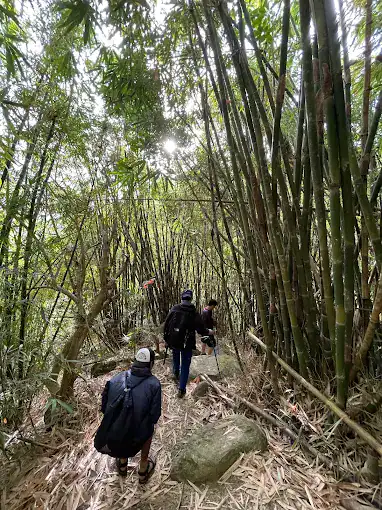
One of the more accessible cloud sea hikes near Manila. The summit is beginner-friendly, the sea of clouds on clear mornings is reliable enough that people specifically plan for it, and you can be back in the city by noon. Leave Manila before 4 am if you want the sunrise view.
What to do: Early morning summit hike for the cloud sea. Short waterfall detours are available on the trail.
Where to stay: Tanay town has several guesthouses. Most Manila hikers do this as a pre-dawn day trip.
24. Mount Isarog, Camarines Sur
An active stratovolcano and protected natural park in Bicol with one of the highest biodiversity concentrations in Luzon. The trail goes through old-growth rainforest, past hot springs, and up to summit views over Naga and the Bicol coastline.
Several endemic species (birds and plants found nowhere else) have been recorded here.
What to do: Summit trek, hot spring bathing at the base near Pili, and birdwatching in the forest buffer zone.
Where to stay: Naga City is the nearest city with good accommodation. The park entrance is in Pili, Camarines Sur.
25. Malico Village, Pangasinan
Up near the Pangasinan-Nueva Vizcaya border, declared the “Summer Capital of Pangasinan”, is Malico: a Kalanguya village sitting at a high altitude where the air actually feels cooler and different. The pine trees, panoramic views, and cool temperatures draw comparisons to Baguio, but without the crowds or the traffic.
The village sits along the historic Villaverde Trail, a route that saw significant action during World War II, which adds a layer most visitors don’t expect from a mountain camping destination. The community has lived here for generations and has a relationship with the land that’s hard to explain to someone who hasn’t spent time in indigenous villages in the Cordillera foothills.
What to do: Hiking the surrounding ridges, cultural visits with the Kalanguya community, and pine forest walks.
Where to stay: Basic homestays may be available in Malico. Umingan in Pangasinan is the nearest larger town.
Why Visit Hidden Gems?
The obvious answer is crowds. Popular destinations in Luzon are worth visiting, but they’re also increasingly overrun, overpriced, and over-photographed. Hidden gems give you something different: actual space, real local interaction, and the kind of travel experience you can’t get from a place that’s already on everyone’s feed.
There’s a practical side too. Off-the-beaten-path travel is almost always cheaper. Fewer tourists mean lower markups on accommodation, food, and transport. Your money also goes further in a direct way: you’re staying with local families, hiring community guides, eating at the place the barangay captain eats rather than the resort buffet.
None of this requires being an extreme traveler. Half the spots on this list are easy day trips from Manila. The other half takes real planning. Pick the ones that match your style, and go before the rest of the internet catches up.
Frequently Asked Questions
Mount Arayat in Pampanga. It rises straight out of the Central Luzon plain, has spring-fed swimming pools at the base, and is tied to some of the richest folklore in the region. It sits next to one of the most developed areas in Luzon, and most travelers drive straight past it.
Are these safe to visit?
Most of them, yes. The island and cultural destinations are straightforward. The remote Cordillera hikes (Apayao, Mount Ugo, Bakun Trio) require preparation and a local guide. Remote doesn’t mean dangerous. It just means less infrastructure if something goes wrong. Tell someone your itinerary and don’t skip the guide on the serious mountain hikes.
Do I need a guide?
It depends. Tanay, Cagbalete, Pagudpud, and most of the island destinations you can handle on your own. For Buscalan, Bakun Trio, and Mount Ugo, a licensed local guide is not optional. The terrain is serious, and in indigenous areas, a guide handles cultural protocols you’d have no way of knowing. When in doubt, hire one. The cost is minimal.
What is the best time of year to visit?
November to April is the dry season and the safest window. December to February is the sweet spot: cooler, stable, and the trails are in good condition. The mountain destinations are pleasant year-round due to the elevation. Avoid July and August for anything involving boats or exposed mountain trails. Typhoon season peaks between June and September.
How do I get around Luzon?
Renting a car or van is the most flexible option. Public transport works for most destinations but requires patience. For the far north, overnight buses from Manila are standard. Island destinations require boats arranged locally at the port. No single transport option covers everything. Plan each destination separately and build in buffer time.
It’s a Wrap
Luzon rewards the traveler who pays attention. These destinations aren’t hidden because they’re not worth visiting. They’re hidden because the tourism industry hasn’t gotten around to them yet. Some of them won’t stay this way much longer.
If any of these spots are on your radar, drop a question in the comments or reach out directly. I’ve been living in Luzon for over eight years, and I’m happy to point you in the right direction.